Sale Price:
£20.00
Original Price:
£23.00
You’ve got the data. Now what? Let’s turn it into a clear, confident findings chapter.
Writing your findings chapter can feel like walking a tightrope.
Too much detail? You’ll overwhelm your reader.
Too little? It looks thin.
Bring in literature? Wait — are we allowed to do that here?
No one tells you where the line is — so you end up second-guessing every sentence.
Part 8 of the PhD Survival Guide series – Writing Your Findings Chapter helps you present your data clearly, coherently, and with just the right amount of detail — no matter what method you’re using (qual, quant, or mixed).
You’ll go from, “I don’t even know where to start,” to “That actually makes sense now.”
What you’ll learn:
✅ How to structure your findings chapter without overthinking
✅ What to include in the main text — and what to leave out
✅ The balance between description, analysis, and synthesis
✅ When to link back to literature (and when not to)
✅ How to showcase your findings with clarity and confidence
Why this matters:
If you don’t get this chapter right:
❌ Your findings feel like a disconnected info-dump
❌ Your examiner struggles to follow your story
❌ You spend hours shifting paragraphs around instead of finishing
Your data deserves better — and so do you.
Let’s make sure your hard work actually shines on the page.
Inside the guide:
🧩 Planning tools for outlining your chapter (even mid-fieldwork!)
📚 Examples of the “big 3” — description, analysis, and synthesis
📋 Tips on presenting data across qual, quant, and mixed methods
🎯 Strategies for revisiting your aims, literature, and methods
🚫 Common mistakes (and how to avoid them with ease)
🛠️ Checklists and prompts to clarify what goes where
How to use it:
Download the PDF guide and planners
Make a cup of tea and browse through the examples and prompts
Use the checklists to build or tidy up your chapter
Come back to it whenever your findings feel fuzzy or fragmented
Before:
❌ You’re staring at a wall of data, unsure where to start
❌ You’ve written some stuff — but it doesn’t feel right
❌ You’re afraid it’s either too descriptive or not descriptive enough
After:
✅ You’ve got a working structure you can tweak as needed
✅ You’ve clarified your key findings and how to present them
✅ You feel like you actually know what you’re doing (finally)
🔁 Want full support across your thesis?
This planner is also part of the Complete 10-Part Survival Guide Bundle — the ideal resource if you want guidance from title to appendices.
⚠️ Please note:
This is a digital product (PDF). No physical item will be shipped
These guides support — but don’t replace — your supervisor’s input You don’t need to do this perfectly
By purchasing, you agree to our Terms & Conditions
💬 Still have questions?
Contact me here — I’d love to help you get unstuck.
You don’t need to write the perfect findings chapter. You just need to start.
And once you do, this guide will help you shape something you’re genuinely proud of.
Let’s get your findings out of your head — and onto the page.
You’ve got the data. Now what? Let’s turn it into a clear, confident findings chapter.
Writing your findings chapter can feel like walking a tightrope.
Too much detail? You’ll overwhelm your reader.
Too little? It looks thin.
Bring in literature? Wait — are we allowed to do that here?
No one tells you where the line is — so you end up second-guessing every sentence.
Part 8 of the PhD Survival Guide series – Writing Your Findings Chapter helps you present your data clearly, coherently, and with just the right amount of detail — no matter what method you’re using (qual, quant, or mixed).
You’ll go from, “I don’t even know where to start,” to “That actually makes sense now.”
What you’ll learn:
✅ How to structure your findings chapter without overthinking
✅ What to include in the main text — and what to leave out
✅ The balance between description, analysis, and synthesis
✅ When to link back to literature (and when not to)
✅ How to showcase your findings with clarity and confidence
Why this matters:
If you don’t get this chapter right:
❌ Your findings feel like a disconnected info-dump
❌ Your examiner struggles to follow your story
❌ You spend hours shifting paragraphs around instead of finishing
Your data deserves better — and so do you.
Let’s make sure your hard work actually shines on the page.
Inside the guide:
🧩 Planning tools for outlining your chapter (even mid-fieldwork!)
📚 Examples of the “big 3” — description, analysis, and synthesis
📋 Tips on presenting data across qual, quant, and mixed methods
🎯 Strategies for revisiting your aims, literature, and methods
🚫 Common mistakes (and how to avoid them with ease)
🛠️ Checklists and prompts to clarify what goes where
How to use it:
Download the PDF guide and planners
Make a cup of tea and browse through the examples and prompts
Use the checklists to build or tidy up your chapter
Come back to it whenever your findings feel fuzzy or fragmented
Before:
❌ You’re staring at a wall of data, unsure where to start
❌ You’ve written some stuff — but it doesn’t feel right
❌ You’re afraid it’s either too descriptive or not descriptive enough
After:
✅ You’ve got a working structure you can tweak as needed
✅ You’ve clarified your key findings and how to present them
✅ You feel like you actually know what you’re doing (finally)
🔁 Want full support across your thesis?
This planner is also part of the Complete 10-Part Survival Guide Bundle — the ideal resource if you want guidance from title to appendices.
⚠️ Please note:
This is a digital product (PDF). No physical item will be shipped
These guides support — but don’t replace — your supervisor’s input You don’t need to do this perfectly
By purchasing, you agree to our Terms & Conditions
💬 Still have questions?
Contact me here — I’d love to help you get unstuck.
You don’t need to write the perfect findings chapter. You just need to start.
And once you do, this guide will help you shape something you’re genuinely proud of.
Let’s get your findings out of your head — and onto the page.
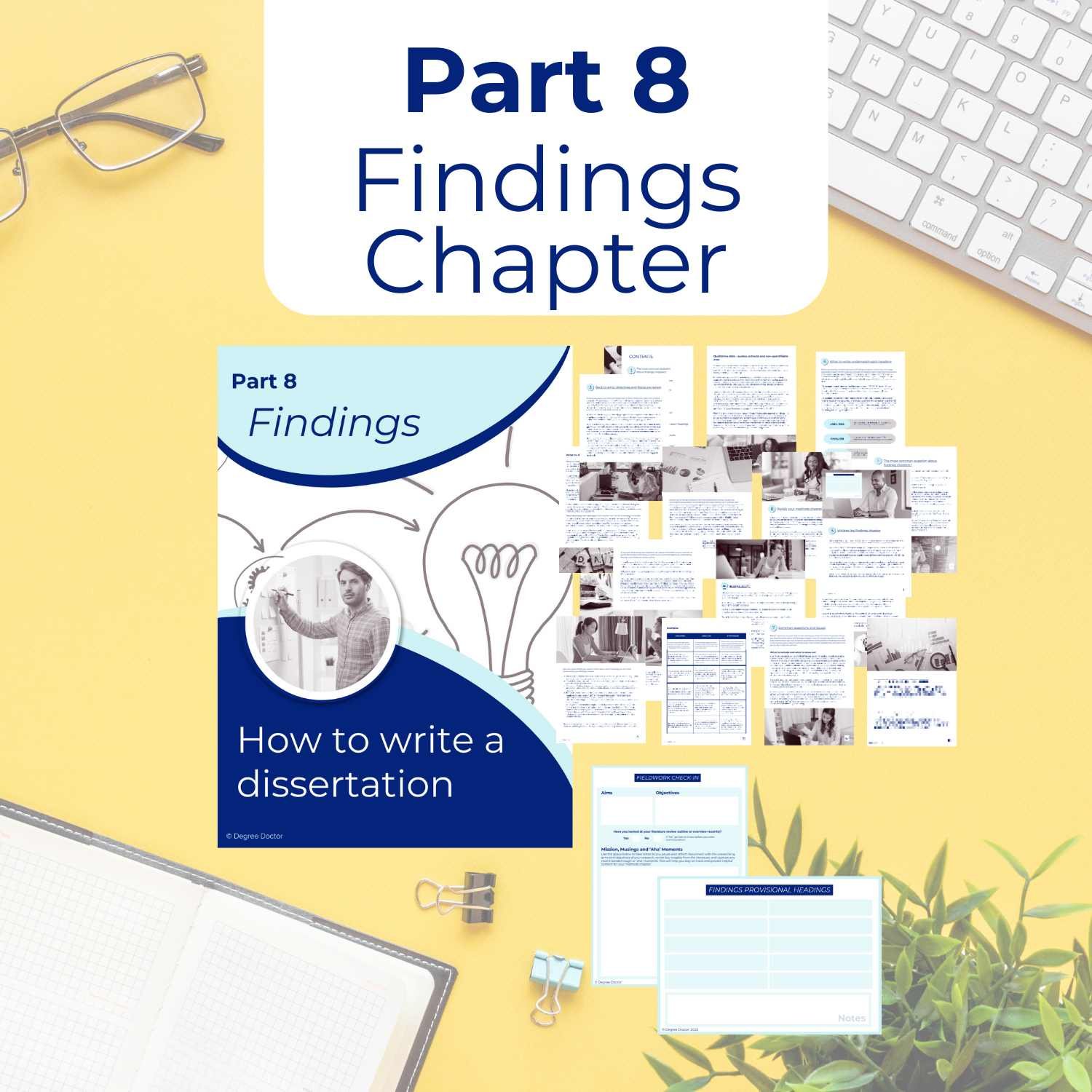 Image 1 of 9
 Image 2 of 9
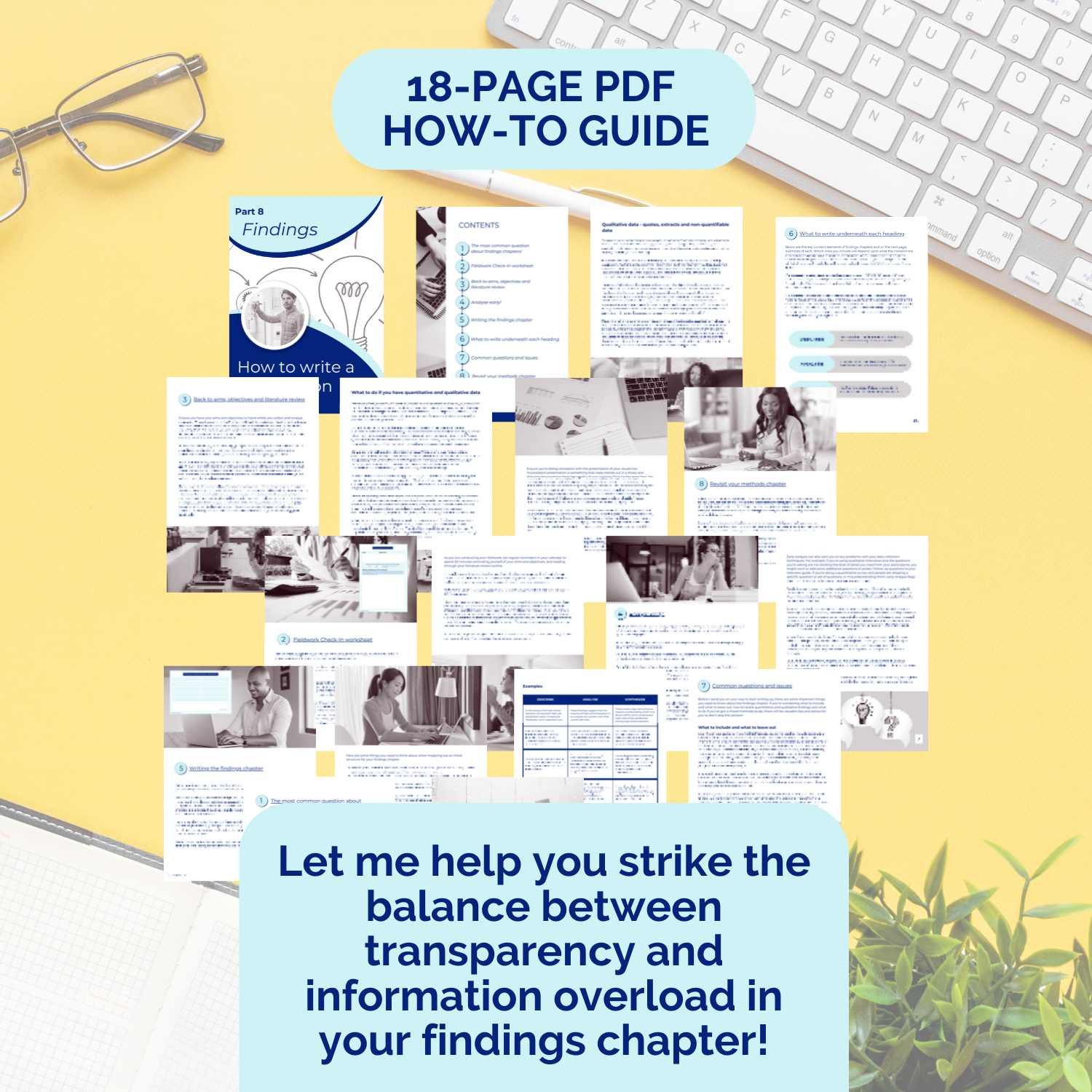 Image 3 of 9
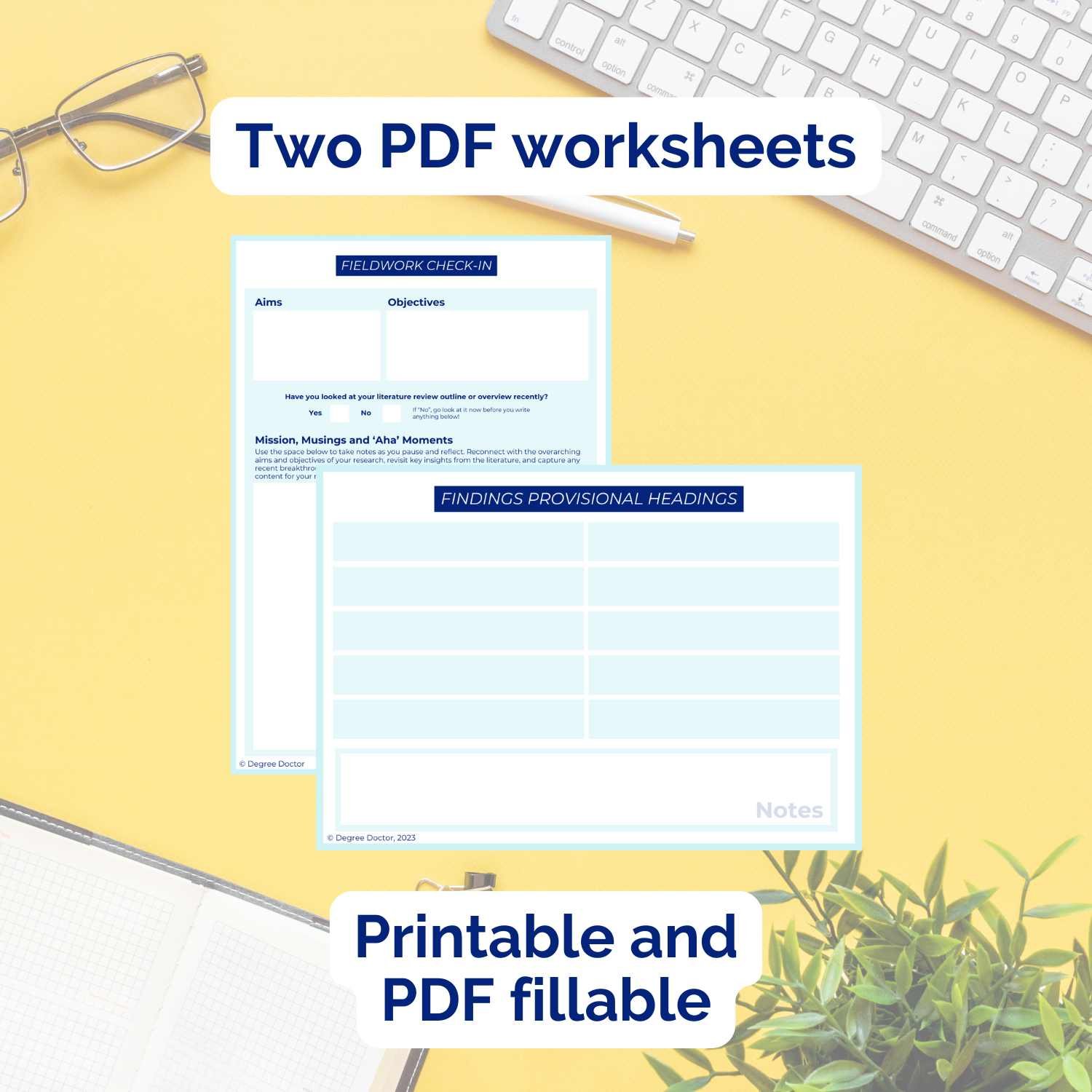 Image 4 of 9
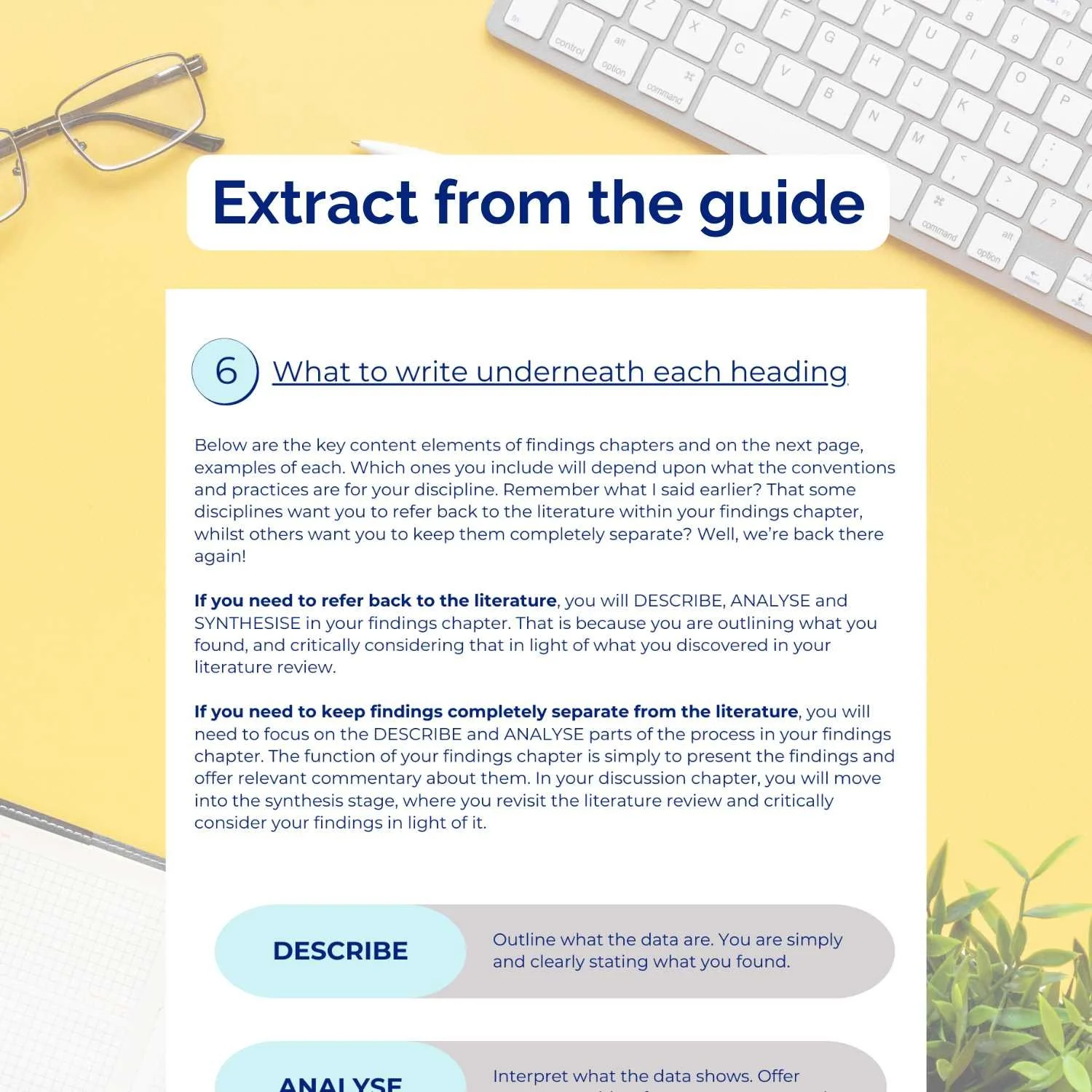 Image 5 of 9
 Image 6 of 9
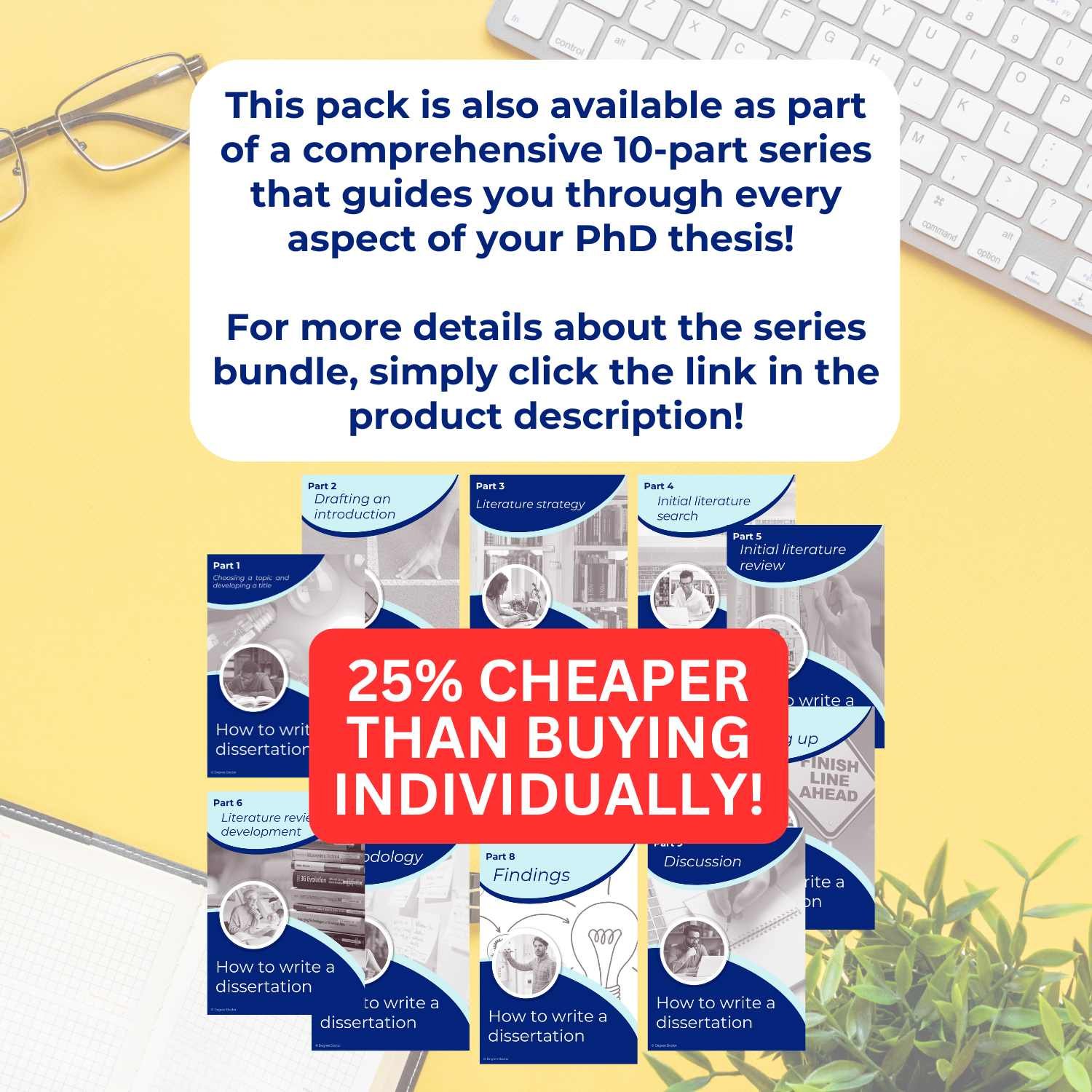 Image 7 of 9
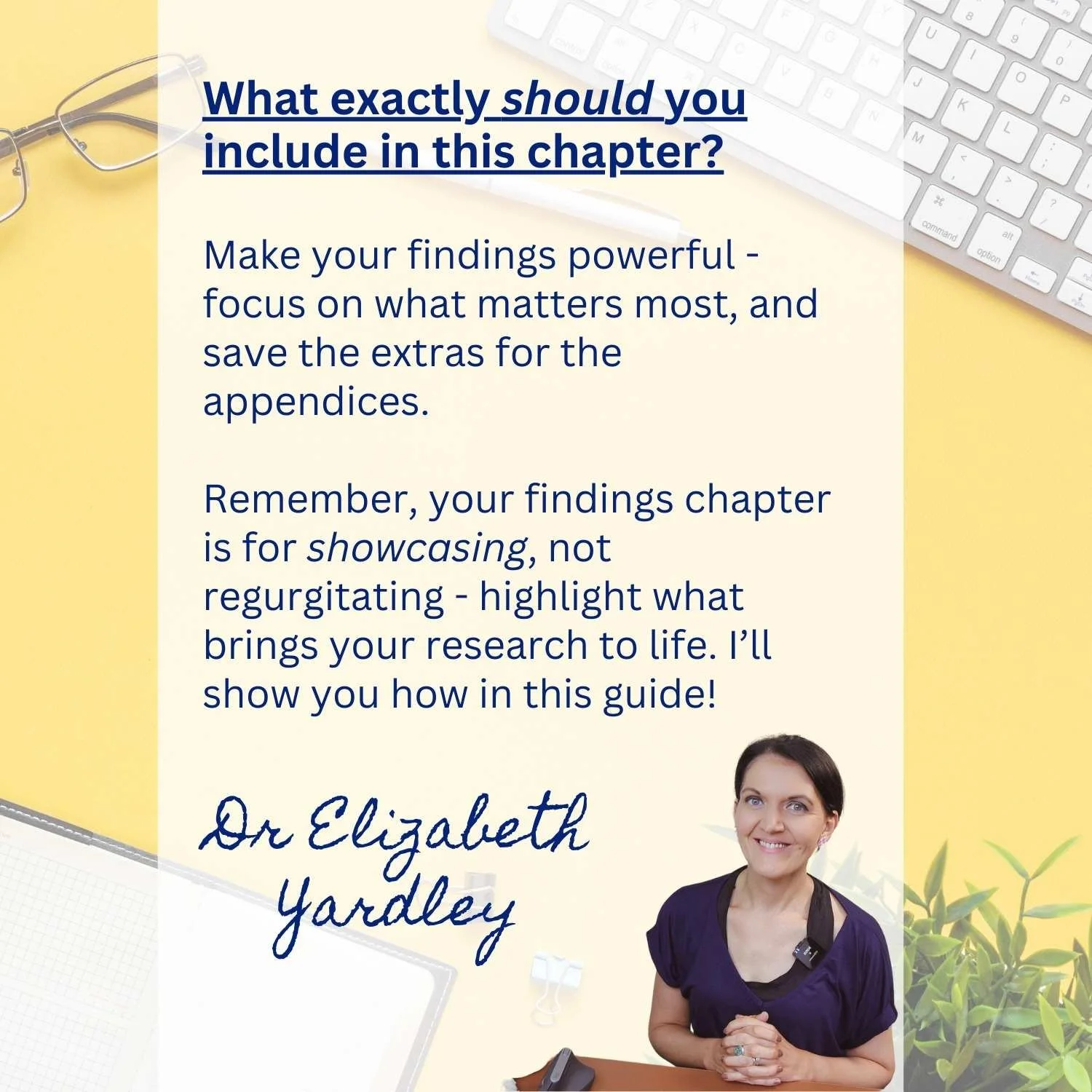 Image 8 of 9
 Image 9 of 9