Sale Price:
£25.00
Original Price:
£28.75
Tired of hearing “be more critical” but never being told how? This guide finally explains it.
You keep getting told your lit review is “too descriptive.”
Supervisors say: “It needs more critical analysis.”
But when you ask what that actually means? Crickets.
You’re not the problem. The feedback is vague.
What you need is a clear process — not more guesswork.
Part 5 of the PhD Survival Guide series — Critical Analysis for Your Literature Review — gives you a proven, practical strategy for reading and writing critically.
You’ll stop second-guessing and start showing real depth of thinking — the kind your thesis actually needs to pass.
What you’ll learn:
✅ How to read with purpose, not panic
✅ A simple, 4-stage strategy: Describe, Interpret, Evaluate, Synthesise
✅ What to focus on (and what to skip) when reading
✅ How to turn your reading into sharp, critical paragraphs
✅ Sentence starters and prompts to help you write with confidence
Why this matters:
If you don’t crack this, your lit review stays vague and descriptive.
❌ You waste hours reading with nothing useful to show for it
❌ You get the same “be more critical” feedback again
❌ You feel like you’re missing something everyone else just gets
You’ve come too far to stall here.
You deserve to know what “being critical” actually means — and how to do it.
Inside the guide:
A clear explanation of what critical analysis means in a PhD
The 4-stage method to level up your thinking
Printable and fillable reading log sheet to capture key ideas
Sentence starters and writing prompts for each analysis stage
Speed-reading tips (without losing depth)
How to use it:
Grab a cup of tea and open the PDF guide
Follow the 4-stage strategy to analyse your readings
Use the prompts to turn that analysis into sharp, confident writing
Before:
❌ You’re drowning in reading with no idea what to write
❌ You keep hearing “more critical analysis” but don’t know how
❌ You’re losing confidence in your ability to “do” a PhD
After:
✅ You know what to look for when reading
✅ You’ve written a few sharp, critical paragraphs
✅ You feel like you actually get it — and that’s a big deal
🔁 Want more literature review support?
Looking for a full walk-through of the literature review? Check out the Complete Literature Review Guide.
⚠️ Please note:
This is a digital product (PDF). No physical items will be shipped
These resources support — but don’t replace — your supervisor’s advice
By purchasing, you agree to our Terms & Conditions
💬 Got questions?
Contact me here — I’m always happy to help with whatever part of your PhD you’re stuck on.
“Be more critical” isn’t helpful advice — but this guide is.
Don’t let vague feedback keep you stuck.
You deserve to know exactly what to do — and how to do it.
Tired of hearing “be more critical” but never being told how? This guide finally explains it.
You keep getting told your lit review is “too descriptive.”
Supervisors say: “It needs more critical analysis.”
But when you ask what that actually means? Crickets.
You’re not the problem. The feedback is vague.
What you need is a clear process — not more guesswork.
Part 5 of the PhD Survival Guide series — Critical Analysis for Your Literature Review — gives you a proven, practical strategy for reading and writing critically.
You’ll stop second-guessing and start showing real depth of thinking — the kind your thesis actually needs to pass.
What you’ll learn:
✅ How to read with purpose, not panic
✅ A simple, 4-stage strategy: Describe, Interpret, Evaluate, Synthesise
✅ What to focus on (and what to skip) when reading
✅ How to turn your reading into sharp, critical paragraphs
✅ Sentence starters and prompts to help you write with confidence
Why this matters:
If you don’t crack this, your lit review stays vague and descriptive.
❌ You waste hours reading with nothing useful to show for it
❌ You get the same “be more critical” feedback again
❌ You feel like you’re missing something everyone else just gets
You’ve come too far to stall here.
You deserve to know what “being critical” actually means — and how to do it.
Inside the guide:
A clear explanation of what critical analysis means in a PhD
The 4-stage method to level up your thinking
Printable and fillable reading log sheet to capture key ideas
Sentence starters and writing prompts for each analysis stage
Speed-reading tips (without losing depth)
How to use it:
Grab a cup of tea and open the PDF guide
Follow the 4-stage strategy to analyse your readings
Use the prompts to turn that analysis into sharp, confident writing
Before:
❌ You’re drowning in reading with no idea what to write
❌ You keep hearing “more critical analysis” but don’t know how
❌ You’re losing confidence in your ability to “do” a PhD
After:
✅ You know what to look for when reading
✅ You’ve written a few sharp, critical paragraphs
✅ You feel like you actually get it — and that’s a big deal
🔁 Want more literature review support?
Looking for a full walk-through of the literature review? Check out the Complete Literature Review Guide.
⚠️ Please note:
This is a digital product (PDF). No physical items will be shipped
These resources support — but don’t replace — your supervisor’s advice
By purchasing, you agree to our Terms & Conditions
💬 Got questions?
Contact me here — I’m always happy to help with whatever part of your PhD you’re stuck on.
“Be more critical” isn’t helpful advice — but this guide is.
Don’t let vague feedback keep you stuck.
You deserve to know exactly what to do — and how to do it.
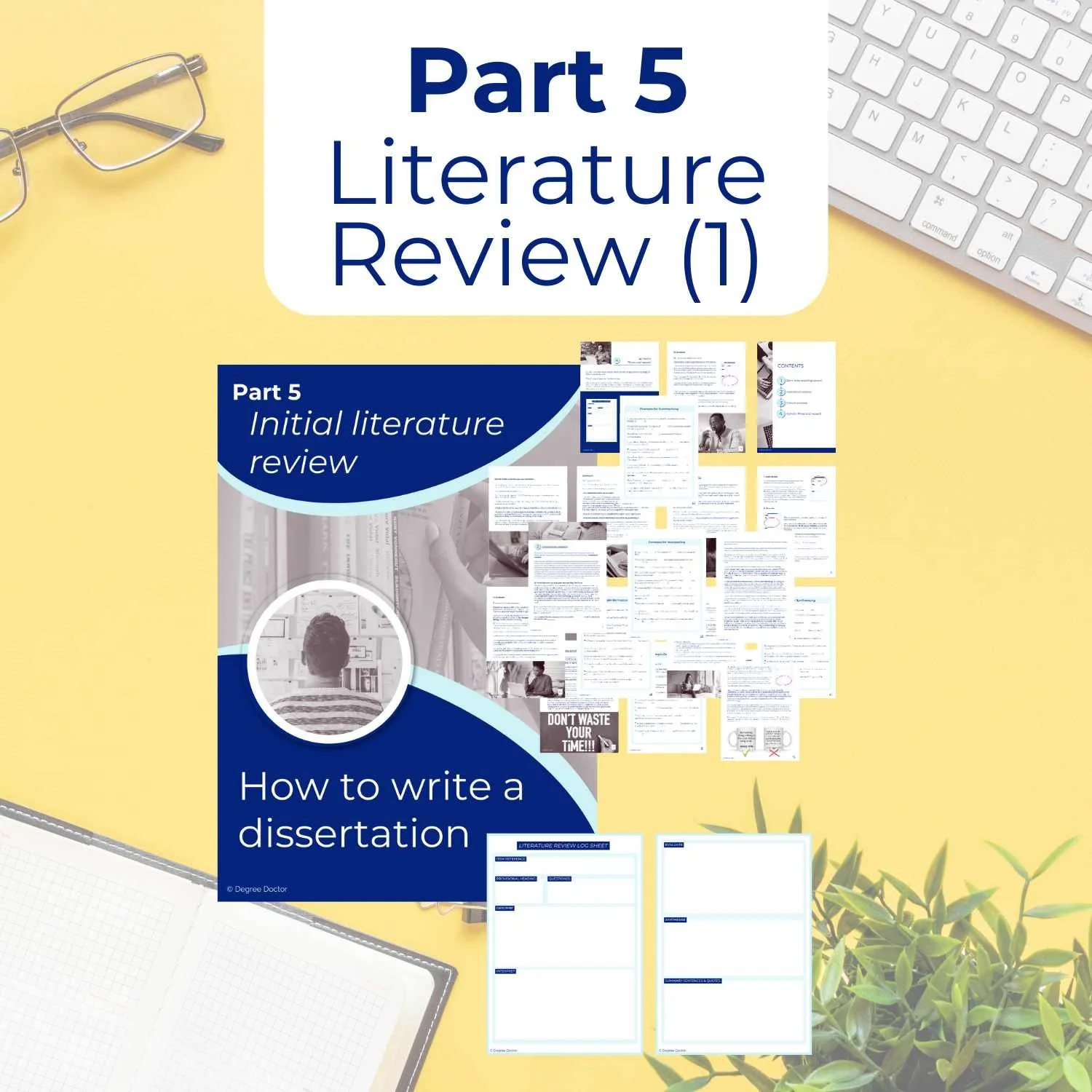 Image 1 of 10
 Image 2 of 10
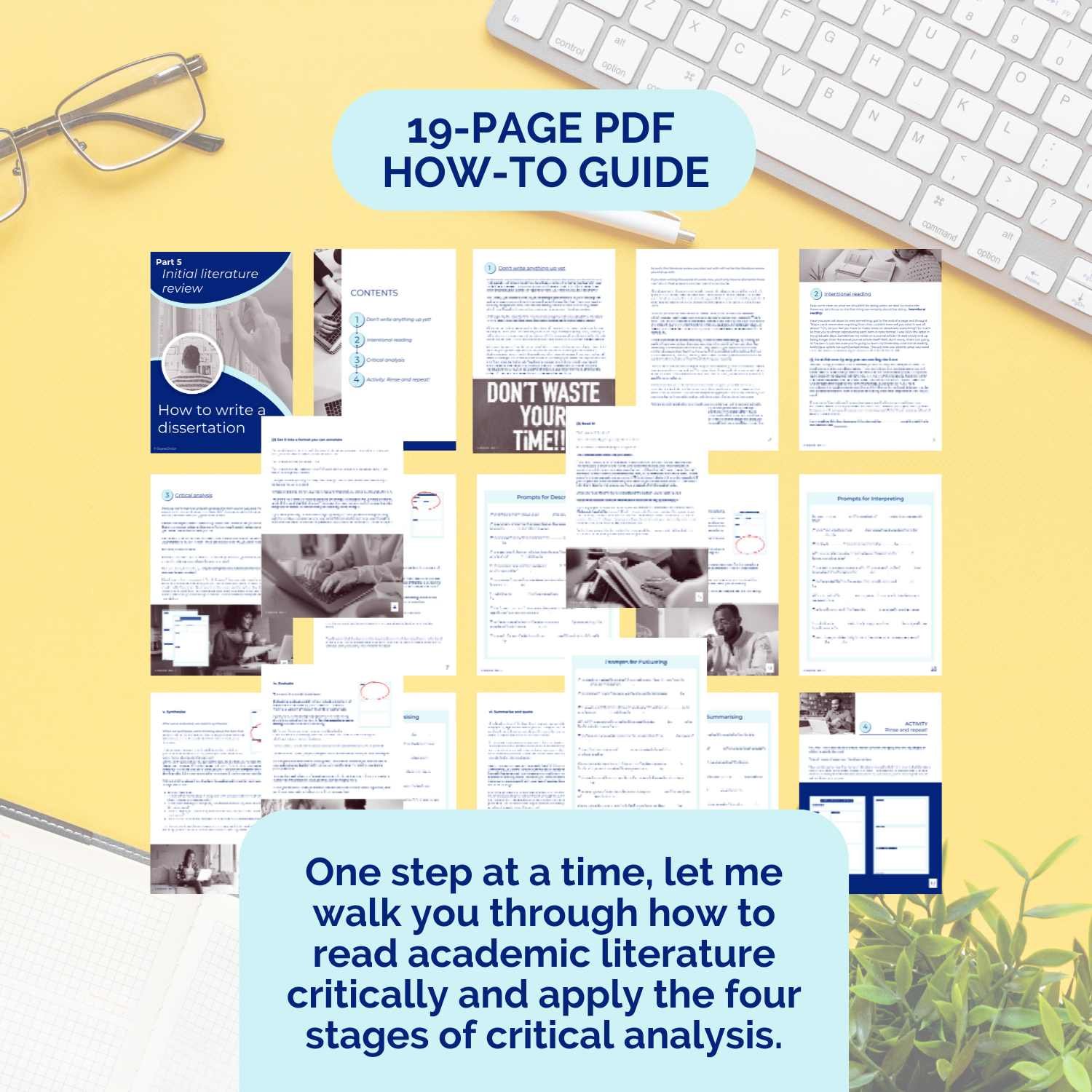 Image 3 of 10
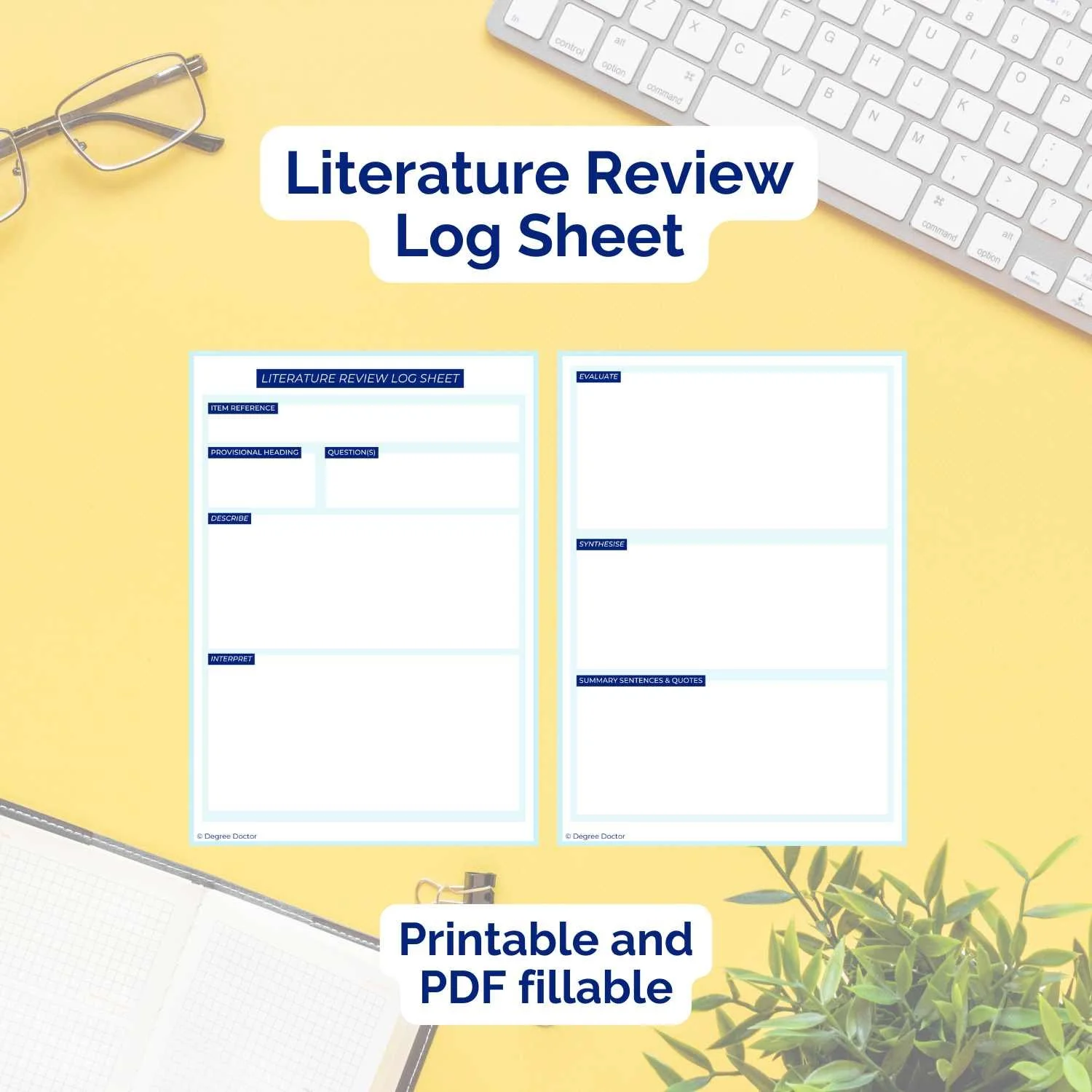 Image 4 of 10
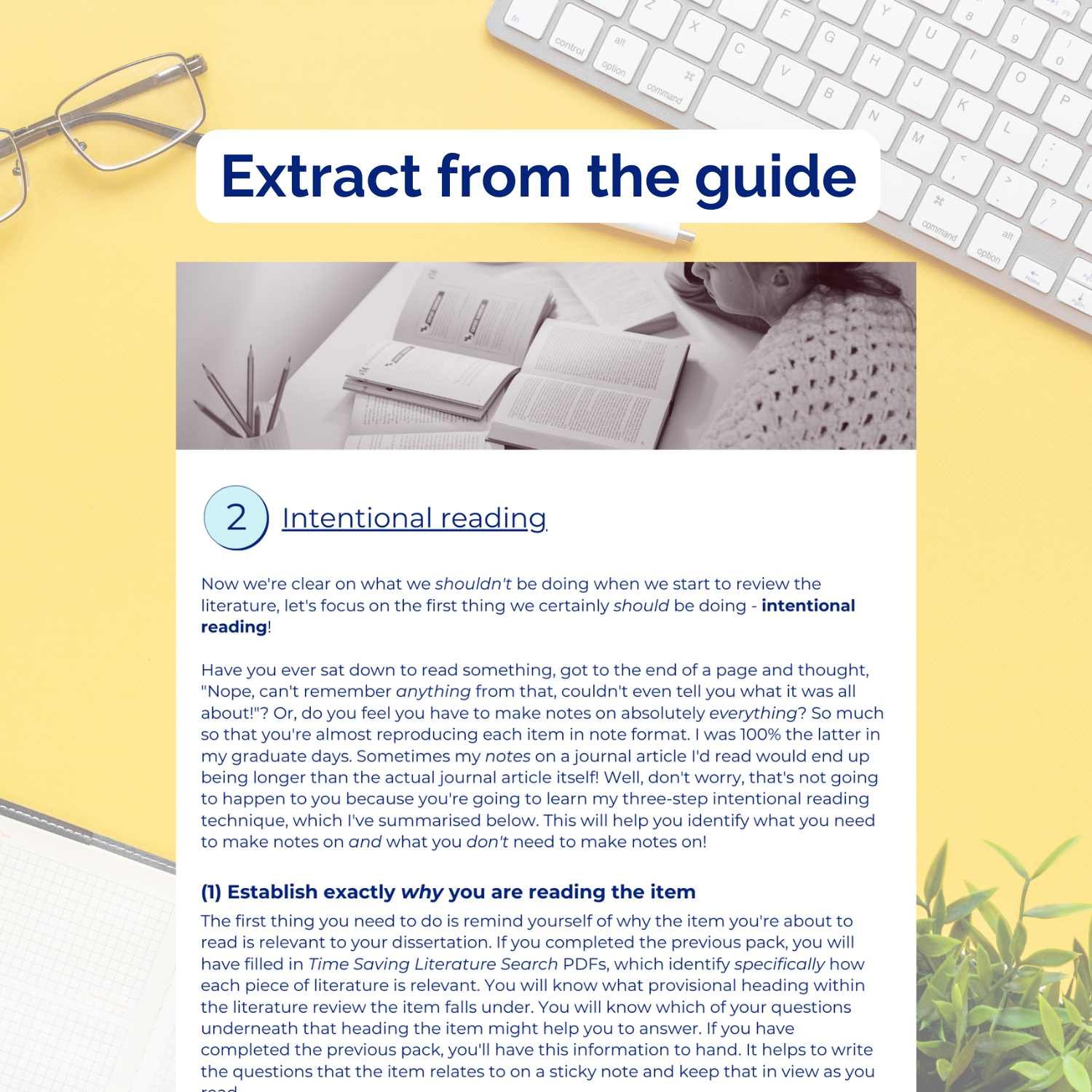 Image 5 of 10
 Image 6 of 10
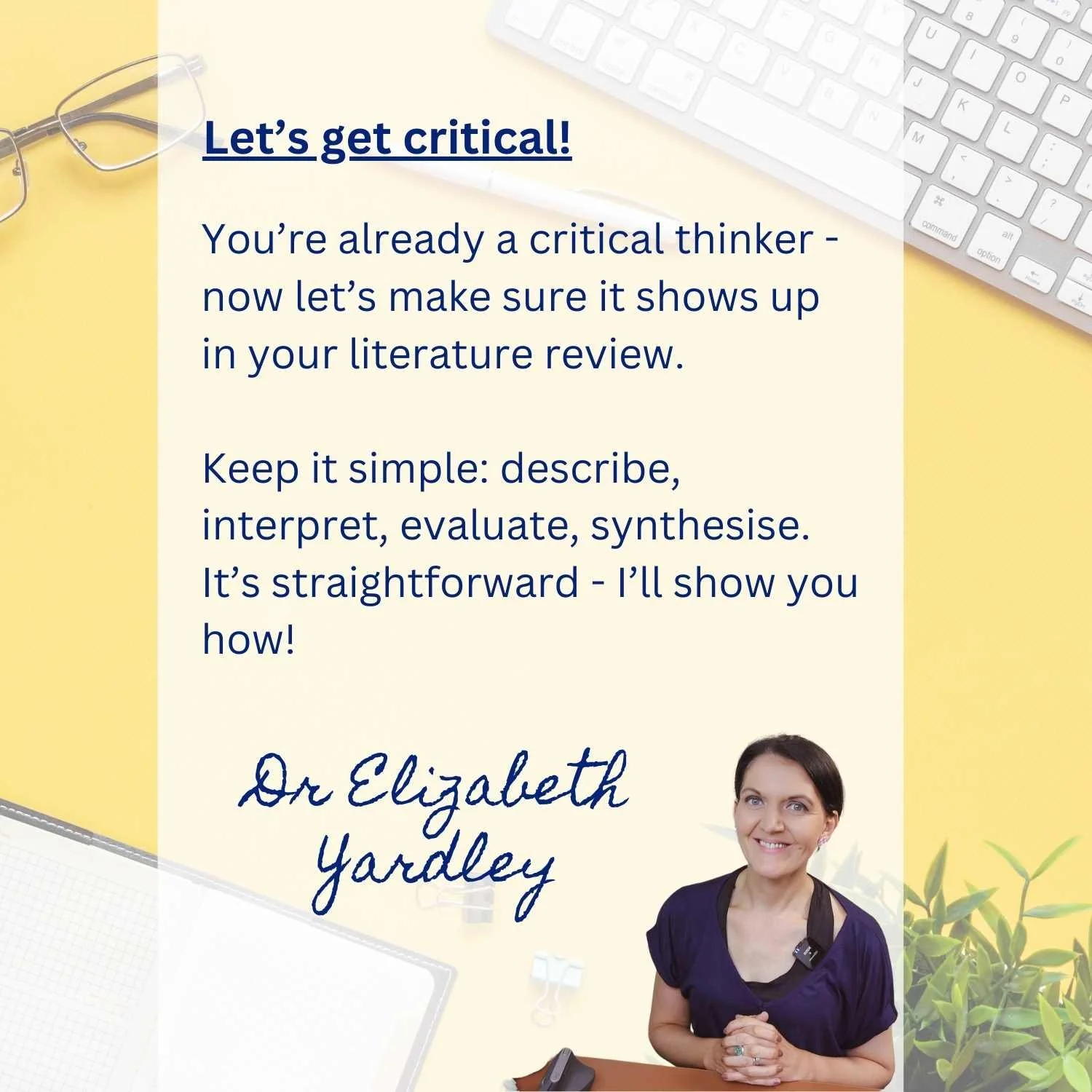 Image 7 of 10
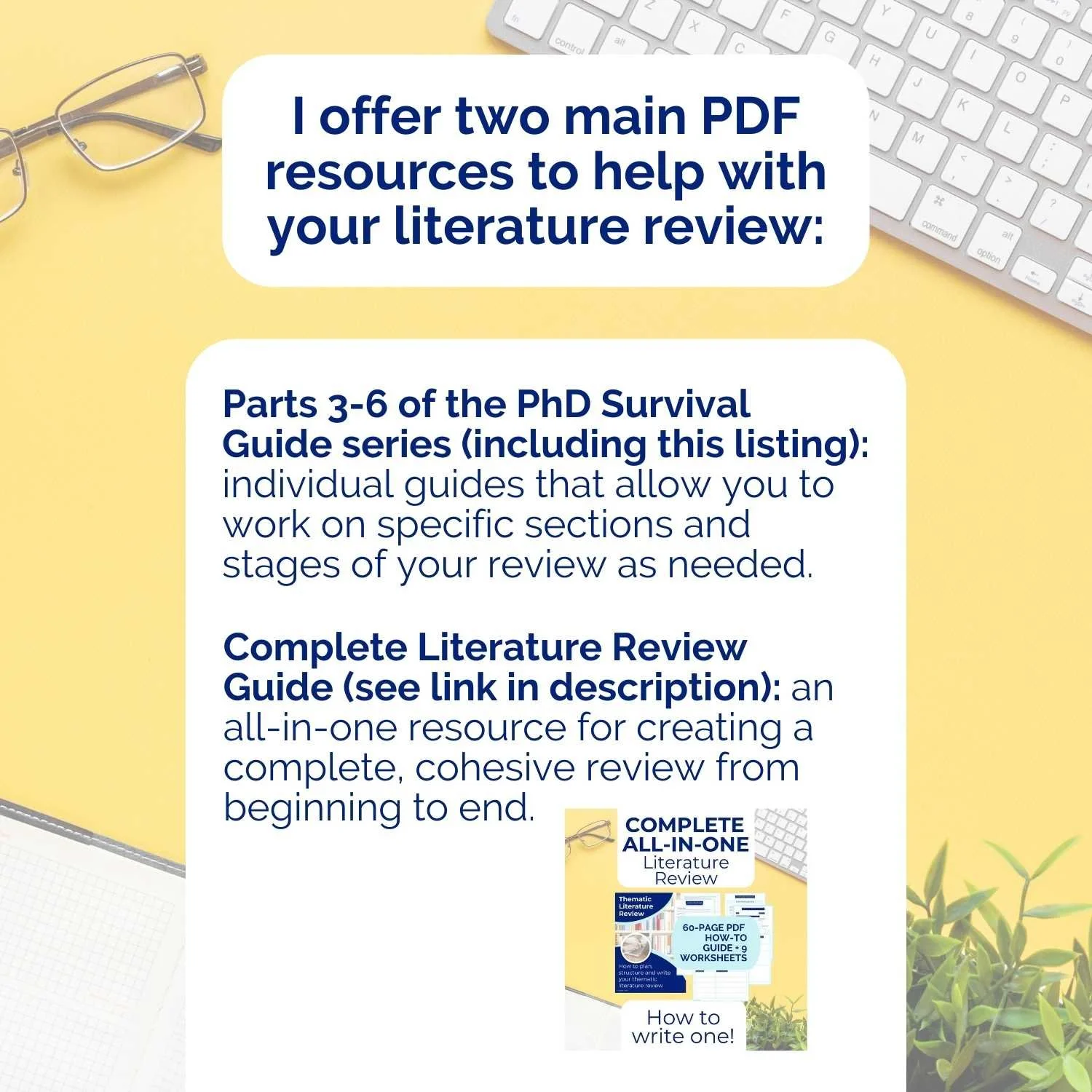 Image 8 of 10
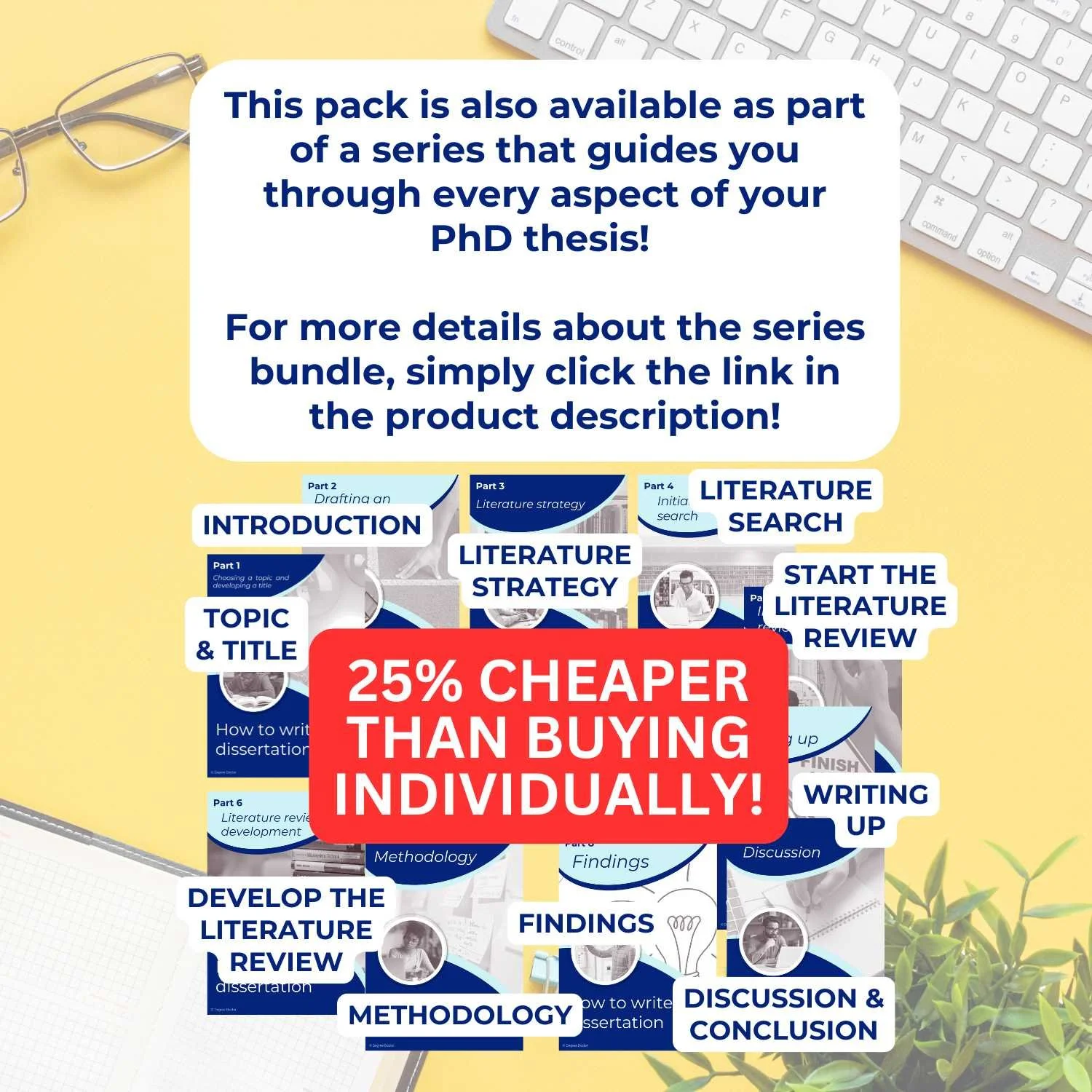 Image 9 of 10
 Image 10 of 10